Blog

Simple Strategies to Get Healthier

Feeling ready to conquer your health goals? You got this! From boosting your physical health to prioritizing mental well-being, discover how simple changes can lead to a stronger, more confident you. Read more below.

Trying to be healthy can sometimes feel daunting. Working out and preparing nutritious meals only seem to add to our endless to-do lists. However, there are ways to get yourself in a healthier state without exerting so much effort. And often, it’s the small changes that can make a significant difference.

We compiled simple strategies that can help you start getting healthier. You can even start using these tips as soon as you finish reading this article.

Cut back on ultra-processed foods  

Eating a lot of ultra-processed foods, such as packaged sweets, ultra-processed meats, and sodas, is linked to health problems like Type 2 diabetes and heart disease. While it’s okay to enjoy these treats occasionally, it’s also important to realize that ultra-processed foods are ingrained in the modern diet. Ultra-processed foods already make up nearly 60% of what the typical US adult eats.

To cut back on ultra-processed foods, pay attention to the ingredients. You’ll surely find things you’ve never stocked in your kitchen pantry, like additives that stabilize, emulsify, and thicken. Furthermore, most ultra-processed foods contain high sodium, sugar, and fat levels.

Focus on getting fresh food

Replace your usual stock of ultra-processed foods with fresh foods, such as fruits, vegetables, eggs, and fresh meat. If you can’t avoid buying packaged food, always check the list of ingredients. The fewer the additives, the better.

Also, do your best to get at least three servings of vegetables and one serving of fruit per day. This will help keep you satiated, along with healthy fats, so there’s limited space for sugary and extra-salty snacks.

Prioritize low-effort movements

We often associate getting healthy with tiring trips to the gym. However, research has found that we can get a lot of benefits from simply increasing how active you are in your daily life. Think of low-effort movements, such as going on a 10-minute post-meal walk, sweeping the floor, getting up from your desk every hour or so to refill your water, or bobbing your leg up and down at your desk.

This type of movement is called Non-Exercise Activity Thermogenesis (NEAT). Research shows that NEAT not only helps with fat loss but can also stabilize blood sugar levels. Furthermore, NEAT can help with insulin resistance, another key factor in maintaining healthy blood sugar levels.

Eat more fiber  

The popularity of weight-loss drugs, like Ozempic, lies in their ability to mimic a hormone called GLP-1 that our bodies make to curb food cravings. However, there is another way to increase levels of this hormone through a small change in our diet—eating more fiber-rich foods.

Adding more fiber to our diet is known to keep us feeling sated longer after we eat, making us less beholden to our sweet or salty tooth. Whole wheat, oats (preferably rolled), and legumes can provide fermentable fiber.

However, fiber’s benefits don’t end with satiety; it also helps control blood sugar levels and decrease inflammation and cholesterol. Studies have also found links between eating more fiber and a lower risk of Type 2 diabetes, obesity, cardiovascular disease, and cancer.

Manage back and neck pain  

If you’re one of the many people suffering from back and neck pain, you’re probably aware that spending long hours hunched over screens isn’t helping your condition. While you may have tried improving your posture and ergonomic setup, research suggests another way to alleviate tension and stress in your body: taking short movement breaks throughout the day.

When you experience physical or emotional stress, your brain releases hormones that cause your muscles to become tight and guarded. However, taking frequent movement breaks can counteract this stress response by increasing blood flow to your muscles, ligaments, and tendons and delivering essential nutrients to your spine. By incorporating movement breaks into your daily routine, you can help ease back and neck pain and promote a healthier, more relaxed body and mind.

However, if your prosthetic limb causes your back and neck pain, it’s best to see your prosthetist and physical therapist right away. Your prosthetic limb may be due for a realignment, or you may need a new prosthesis. Moreover, your physical therapist can also check your alignment and gait for any irregularities that can be fixed by physical therapy and exercises.

Limit dopamine hits from screens  

Have you ever found yourself endlessly scrolling through social media or mindlessly shopping online? Do you find it difficult to resist the temptation of junk food or play video games for hours? According to neuroscientists, these activities trigger a surge of dopamine in our brains.

While we may think that dopamine gives us pleasure, it fuels our craving and desire for more. When we often give in to these urges, dopamine develops a significant but short-term hold on our willpower. By understanding this mechanism, we can adopt better strategies to manage our behavior and achieve our goals.

To limit the control of dopamine over your day, set a timer whenever you want to use social media to avoid dopamine-driven endless scrolling. If a timer isn’t enough, you can block certain apps at specific times. Furthermore, you may want to incorporate regular social media detoxes to retrain your brain.

Nurture connections and forge new ones  
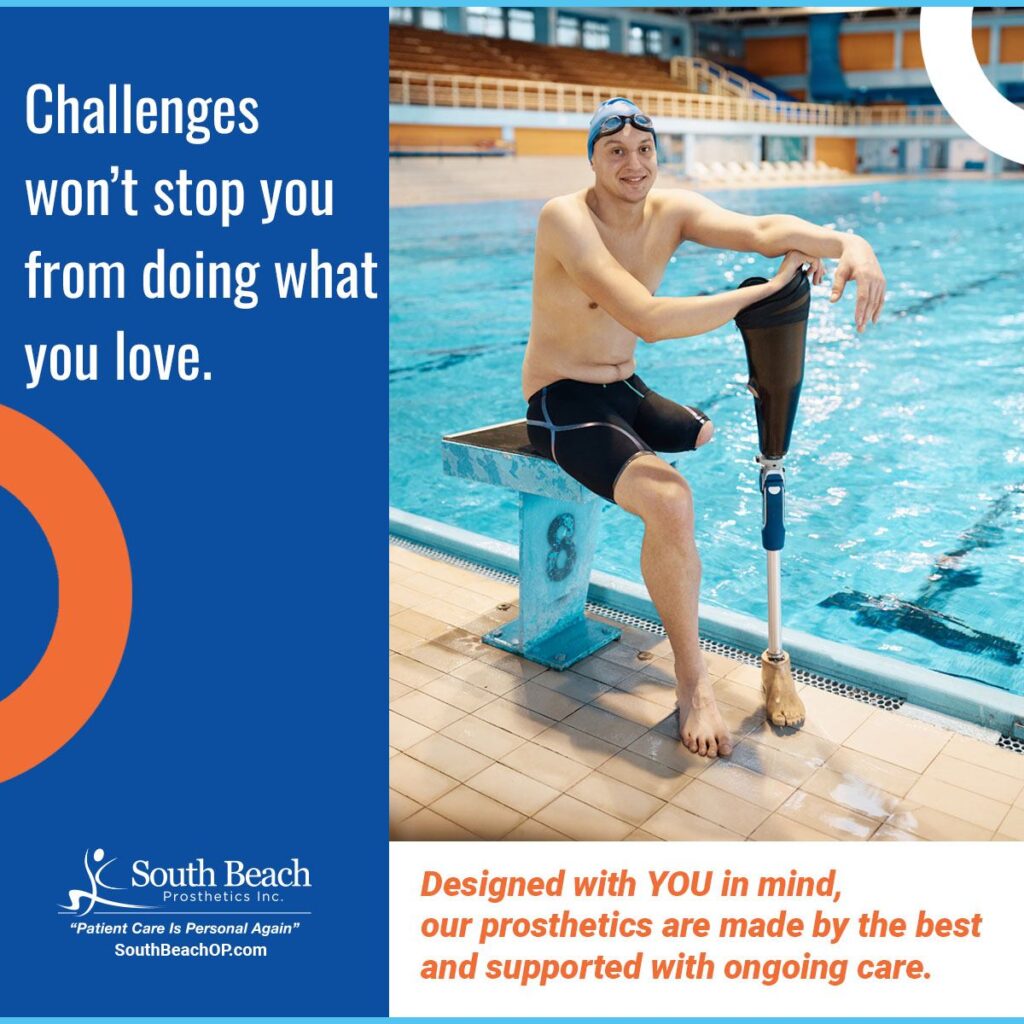
Loneliness is linked to all kinds of health problems, including an increased risk of heart attacks and dementia. You can nurture your existing connections by setting up regular catchups. However, if your family or friends live far from you, you can still combat the ill effects of loneliness by forging new social connections. These new connections don’t need to be deep; even casual acquaintances can keep the adverse health effects of loneliness at bay.

Get creative  

Engaging in creative activities or immersing ourselves in art can have a positive impact on our mental well-being by reducing stress hormone levels, such as cortisol, and increasing the production of feel-good hormones, like endorphins and oxytocin.

However, you don’t have to limit yourself to one art form. These benefits can be derived from a wide range of artistic pursuits, including cooking, gardening, and even doodling. So, it’s worth exploring different art forms to discover what works best for you and incorporate them into your routine.
Your journey is unique. Shouldn’t your prosthetic be too? South Beach Prosthetics is here to help you every step of the way, from designing the prosthesis to getting you to the perfect fit. Contact us today at 888-819-4721. Follow us on Instagram for more tips.


Reference: [https://amputeestore.com/blogs/amputee-life/simple-strategies-get-healthier-now]
The Beauty of Perpetual Innovation

Limb loss doesn’t challenge us to fix what’s broken. It offers us the chance to create ourselves—and our futures—anew. Learn more useful tips from a leadership coach and amputee.

THE PROBLEM WITH SOLVING PROBLEMS

Experience the beauty of movement again. South Beach Prosthetics is here to help you every step of the way, from designing the prosthesis to getting you to the perfect fit. Contact us today at 888-819-4721. Follow us on Instagram for more tips.


Reference: [ https://livingwithamplitude.com/article/the-problem-with-solving-problems/ ]

Move with Confidence: 6 Tips to Avoid Overuse Injuries

An active lifestyle is essential for overall health and well-being, but it’s especially important for those who use prosthetics. Staying active helps maintain strength, flexibility, and a positive outlook. However, pushing too hard can lead to overuse injuries, putting a halt on your activities and progress. Find a balance with our guide here.

SIX WAYS FOR AMPUTEES TO AVOID OVERUSE INJURIES

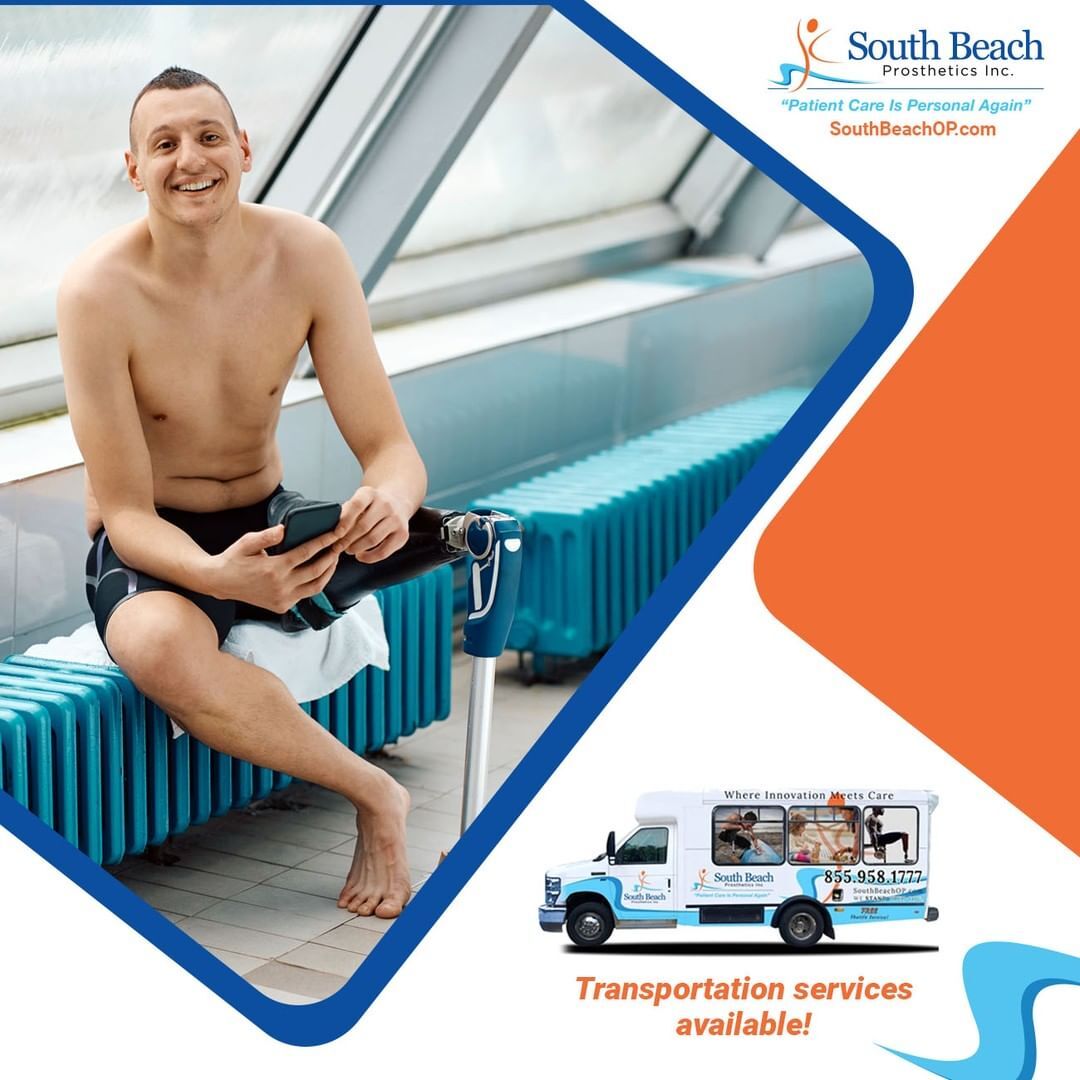
Move with confidence, and find the best services and solutions with us. South Beach Prosthetics is here to help you every step of the way, from designing the prosthesis to getting you to the perfect fit. Contact us today at 888-819-4721. We offer in-home care, and we can bring you to appointments to see us if that is your preference: transportation is an included service! Follow us on Instagram for more tips.


Reference: [ https://livingwithamplitude.com/amputees-six-ways-to-avoid-overuse-injuries/ ]

Essential Tips for Travelers with Mobility Aids

The world is full of incredible destinations waiting to be explored. Here’s a great piece that can help you gain knowledge and confidence to conquer airports, explore new cities, and create unforgettable memories. If you have tips that you want to share — please submit them here and we will share them! https://southbeachworkflow.com/share-your-story/

Wheel the World’s Tips for Traveling and Flying with Mobility Aids

In partnership with Wheel the World, the Amputee Coalition will receive a donation with every travel booking made using the code ‘AMPUTEECOALITION.’ 

Embarking on a journey holds a special kind of magic, the promise of new places, cultures, and experiences. We understand—travel is exciting, and everyone should have the chance to dive into it headfirst. 

Now, we know that when you’re exploring the world with a mobility aid, the adventure takes on its own unique factors. There are extra elements to consider. In this article, we will discuss the important phases of travel and provide tips, insight, and considerations as it pertains to mobility aids. 

Tips for Planning Accessible Travel with Mobility Aids 

Let’s review some helpful recommendations when planning your trip to ensure it can go as smoothly as possible. Of course, nothing ever goes perfectly during travel, but these tips can help prevent some of the potential issues and mitigate stress. 

Researching Accessible Destinations 

Not all destinations are created equal when it comes to accessibility. Before you set your heart on a location, first do some research on the destinations you’d like to travel to. Here are a few things to consider: 

  • Accessible accommodation: are there hotels in the area that offer the accessibility features that suit you? Also consider the location within the city. Staying in close proximity to the top sites, attractions, and things you want to do will add extra convenience. 
  • Attractions and tours: does the destination offer reliable tours for those with limited mobility? Typically, larger cities will have far more options than a remote, rural town. 
  • Transportation: do you plan on renting an adaptable vehicle, using public transportation, or ride-shares such as Uber or taxis? For example, places like Europe offer excellent public transportation and many of the major cities there have adapted for accessibility, making it a reliable option. 

Plan Far in Advance 

When it comes to accessible travel, foresight is your best friend. Plan your trip well in advance to ensure you have ample time to address any specific needs. This includes booking accessible accommodation, transportation, and activities. Contact the hotel and tour operators to double check the accessibility information is reliable. It’s also a good idea to have a backup plan in case of any unforeseen challenges. 

This also pertains to flying. Research the airline’s policies for traveling with mobility aids. Although many of them have similar protocols, there may be some differences among them. When you book a ticket, there is typically an option with your booking to check that you’re flying with a mobility aid. To be extra safe, contact the airline right away and let them know the details. The airline representative will then make a note on your reservation. 

Choosing Accessible Accommodation 

Your home away from home should be a sanctuary of comfort and accessibility. Look for hotels, resorts, or vacation rentals that prioritize accessibility. Check for features like ramps, wide doorways, accessible bathrooms, and other accommodations that suit your specific needs. 

One of the major problems we see in the accessible travel industry is either a lack of information, inaccurate information, or both. It’s common to see an “accessible” sign slapped on a hotel’s website without details. For travelers with mobility aids, accurate information is not just important, it’s absolutely paramount.  

To combat this common problem, booking through a dedicated accessible travel company will make the process and research far easier. Wheel the Worldis devoted to providing accurate, reliable, and verified information to ensure you can find accessible accommodations (and more) that suit your needs. This is done through a comprehensive mapping program. By compiling over 200 measurements and data points focused on accessibility, travelers can book worry-free trips. For further details on how the information is gathered, check out this article. 

Tailoring Activities 

Every traveler has their own bucket list, and yours should be no different. Tailor your activities to your interests while keeping accessibility in mind. Whether it’s exploring historical sites, enjoying outdoor adventures, or exploring the local beaches, there are options out there. Many destinations have local tour operators that can help you. They’ll often provide a service for accessible tours and the right equipment for activities. Research to see what the local area has. 

Depending on the destination, some websites detail their accessibility information, so make sure to research each attraction/activity to see if it’s doable for you (some destinations are far better than others with this).

Don’t hesitate to call them as well. Wheel the World also provides accessible tours, activities, and packages that cater to accessibility needs. 

For personalized travel experiences that are right for you, fill out this free accessibility profile. This will bring you the best results. 

Tips for Flying with Mobility Aids and Navigating the Airport 

Air travel is an adventure in itself. For some, it is the most stressful aspect of travel. However, with a few considerations, tips, and insights, it can turn into a smoother experience. 

What Mobility Aids Can Be Taken on a Plane? 

  • Manual Wheelchairs: airlines are required to have room in the cabin for at least one folding wheelchair. Make a request to pre-board the flight so there’s room for you to do so. If there is more than one person flying with a manual wheelchair, the space is available on a first-come-first-serve basis. If you aren’t able to have it on-board, then the wheelchair will be checked upon boarding and a wheelchair attendant will assist with transferring via an aisle chair. You can request that the wheelchair be brought to you upon arrival close to the aircraft door. 
  • Walkers: very similar to wheelchairs, walkers will typically be checked at the gate. You can request the walker be brought to you upon arrival. 
  • Canes: because canes are a mobility aid and aren’t considered luggage, they are permitted to come with you on the plane. A flight attendant can help you stow it somewhere. Folding canes that fit properly under the airline seat can usually be taken with you to your seat or packed in your carry-on if you don’t need it during the flight. 
  • Power Wheelchairs: Power wheelchairs cannot be taken on-board as there hasn’t been any protocols to allow for this. For flying with a power wheelchair, check out this article that covers this topic in depth. 

Notify the Airline in Advance 

Communication is key. Notify the airline of your specific needs well in advance. This allows them to make necessary arrangements, make a note on your reservation and ensure a smoother process for you. 

  • Tell them your situation and any personal needs, such as the need for assistance through the airport or to the airplane seat. 
  • For wheelchair-users, give the airline the details of your chair including the dimensions, weight, and type of battery for power-wheelchairs. 

Choose an Aisle Seat 

Selecting the right seat can make a significant difference. Upon booking, try to select an aisle seat and, if possible, as close to the front as possible. This simple tip allows for transfers to go smoother. 

Arrive Early 

Give yourself ample time. Arriving early allows you to go through security and boarding processes at a comfortable pace. When you request airport assistance, sometimes the attendant won’t be available right away. 

Going Through TSA 

If you are not able to walk through the TSA metal detector, passengers can request to have a manual pat-down by a TSA agent. You can request the pat-down to be conducted by an agent of the same gender. 

If you use a cane, the cane will have to go through on the belt for screening. If you are unable to walk through the security detector, the TSA agents will either do a manual pat-down or bring your cane back to you afterwards and you can go through the screening machine. 

Remove Parts to Prevent Damage 

If you are flying with a wheelchair, remove or fold any vulnerable parts to prevent damage. Consider parts such as the headrest, footrest, joystick, and armrests. Also, remove your cushion and put it on your plane seat. Bring an extra carry on and bring the removed parts on the plane with you. Ask a flight attendant to help you store those parts safely. 

Notify the Airline of Any Damage 

If you notice damage has been caused during transit, go immediately to the airline customer service counter and file a claim. For domestic flights, U.S carriers must compensate you in the event that your mobility aid is lost or damaged. 

Know Your Rights 

Knowledge is power. Familiarize yourself with the Air Carrier Access Act (ACAA), a U.S. law that prohibits discrimination on the basis of disability in air travel. This act ensures that air travel is equally accessible to all individuals, regardless of their mobility challenges. Read more about the Amputee Coalition’s endorsement of this act. 

If you have experienced any issues flying that you would like to share with the limb loss/limb difference community, we invite you to join the Advocacy community on AC Connect. 

Conclusion 

Accessible travel is not just a possibility; it’s a celebration of the spirit of adventure. With the right information and preparation, individuals with mobility aids can embark on journeys that are enriching, fulfilling, and, above all, accessible.

So, embrace the excitement of travel. Let the wheels of your mobility aid be the companions on a journey filled with discoveries.  

As you set forth on your next trip, remember: travel knows no limits, and neither do you. May your adventures be boundless, your experiences unforgettable, and your spirit forever free. Safe travels! 

Don’t let mobility limitations hold you back! South Beach Prosthetics is here to help you navigate the journey with cutting-edge quality care prosthetics solutions. Contact us today at 888-819-4721. Follow us on Instagram for more tips.


Reference: [ https://blog.amputee-coalition.org/education/wheel-the-worlds-tips-for-traveling-and-flying-with-mobility-aids/ ]

Addressing Secondary Pain and Optimizing Amputee Well-being

Amputation, while a life-changing event, is just one chapter in your ongoing story. While the journey presents unique challenges, it also opens doors to resilience, adaptation, and a newfound appreciation for your body’s incredible capabilities. Here, we offer information, support, and practical strategies to effectively address secondary pain and optimize your overall well-being. 

The key to preventing secondary pain after limb loss is preventing complications. This means taking meticulous care of your residual limb, your prosthesis, and your general health.

Because your residual limb is hidden under your prosthesis, paying close attention to how it looks when your prosthesis is off is very important. Developing habits of twice-a-day inspection and care is very important.

Also important is taking care of your prosthesis, liners, and socks.

And what is meant by the term “general health”? This means eating well, getting physical exercise and rest and emotional well-being. It also means managing any health conditions as well as possible. If you have diabetes, this means keeping your glucose levels under good control. And it means maintaining a healthy weight, without swings of weight gain or loss.

General Guidelines for Taking Care of Your Residual Limb

It is hard to overstate the importance of taking care of your residual limb. Your healthcare team will give you instructions, such as these general rules:

  • Wash your residual limb twice a day.
  • Use mild, fragrance-free soaps, as they are the least likely to cause skin irritation.
  • Do not use lotions on your residual limb unless there is a compelling reason to do so as advised by your prosthetist or by your doctors. When lotions are advised, use water-based lotions rather than alcohol-based, which tend to dry the skin.
  • Wash your liner every night using a mild, fragrance-free soap that is recommended by the liner manufacturer or by your prosthetist.
  • Do not wear a wet liner.
  • If your amputation is below the knee, check the hard-to-see area behind your residual limb knee with a mirror.
  • Report to your prosthetist the development of any blisters or reddened areas (that don’t go away when your prosthesis is off) on your residual limb.

Care for Your Prosthesis

  • An ill-fitting prosthesis greatly increases your risk of secondary pain. The socket should be comfortable and practical.
  • Always wear shoes with the same heel height as the one your prosthesis was aligned with originally to maintain the right alignment.
  • You should check your prosthesis frequently for unusual signs of wear and tear and report concerns as soon as possible to your prosthetist.
  • Pistoning occurs when the residual limb slips up and down inside the prosthetic socket while walking. This can cause the skin to pull and be damaged. This is generally due to poor socket fit and inadequate suspension. If you continue to experience pistoning after you have correctly applied your socket liner, contact your prosthetist to have your fit checked. To accommodate volume and shape changes of the residual limb, some sockets can be reduced and/or padded, thicker liners may be used or air bladders may be installed.
  • Perspiration is normal but can cause heat rash and abrasions. When sweating occurs, you should immediately remove your prosthesis. Dry your liner and skin before putting your prosthesis on again.

Keep Moving

When a group of people with limb loss was surveyed, nearly 50 percent reported pain in their non-amputated limb and 62 percent reported low back pain. This is because after amputation other muscles and joints have to carry extra stresses and loads. These stresses can cause strain, inflammation, and further pain. Additionally, low back and hip pain can increase symptoms of phantom pain.

Your physical therapist can help you design an appropriate exercise program. Regular exercise will help you strengthen and retrain your muscles. Besides walking, a good follow-up program may include back extension strengthening and balance exercises – important for helping to decrease the stresses to your lower back and hips. You should try and see your therapist once a year or so for gait evaluation. If you slowly develop poor gait habits, it can cause back and/or hip pain.

Weight Management

Maintaining a healthy weight is important for everyone. It is even more important after your amputation. Even a five-pound weight gain or loss can make a difference in the fit of your prosthesis.

Eat a well-balanced diet and drink plenty of water. Not only will this help with weight management, but it will also help with maintaining healthy skin.

Report any change in your weight to your healthcare provider and prosthetist.

Feeling overwhelmed by post-amputation challenges? South Beach Prosthetics is here to help you navigate the journey with cutting-edge quality care prosthetics solutions. Contact us today at 888-819-4721. Follow us on Instagram for more tips.


Reference: [https://www.amputee-coalition.org/limb-loss-resource-center/resources-for-pain-management/managing-secondary-conditions/]

Tips and Tools for Helping Someone with Chronic Pain

Watching someone you love battle the relentless grip of chronic pain can feel like walking blindfolded through a maze. You want to help, to ease their burden, but the path often seems as murky as the pain itself. Here’s where the journey truly begins – a journey not towards a cure, but towards understanding, empathy, and practical tools that can make a real difference. Together, we can illuminate a brighter path forward.

How to support a loved one with chronic pain

For millions of people, living with chronic pain can significantly affect daily activities, relationships, work and well-being. Chronic pain typically is categorized based on the duration of pain experienced.

The pain or discomfort people feel while recovering from an injury or illness is considered acute or subacute. Pain lasting beyond usual recovery from a trauma-related event or surgery, typically 12 weeks, is considered chronic. Pain can transition from acute to chronic, depending on a person’s recovery process.

Effect of chronic pain on daily life

Chronic pain can cause a person to avoid activities that cause further pain. This can lead to muscle weakness, joint problems and being more prone to injury. These avoidance behaviors also can lead to psychological isolation and stress. Moving the body and being physically active are crucial for long-term pain management. Encouragement from family, friends and caregivers to stay active and motivated is vital in improving physical health and psychological well-being for a person with chronic pain.

Central sensitization pain presents additional challenges, including mood changes and fatigue. Patients with central sensitization pain may experience heightened pain responses during physical activity.

Supporting loved ones with chronic pain

It’s important that loved ones understand the effect of chronic pain on a person’s daily life. Not being able to engage with family and friends can lead to mood symptoms like anxiety, helplessness and hopelessness.

It’s beneficial to encourage people with chronic pain to maintain a sense of normalcy, remain involved in social activities and stick to a routine sleep schedule.

However, caregivers should balance encouraging activity and enabling passivity, as helping can exacerbate physical and psychological limitations and dependency.

When supporting someone with chronic pain, here are some ways a loved one can help:

  • Understand the nature of chronic pain.
    Recognize that chronic pain differs from acute pain and can last beyond the expected recovery period. Be aware of the different types of chronic pain and the effect on your loved one’s life.
  • Encourage movement and physical activity.
    Motivate the person to do gentle exercises, stretching or physical therapy, even if it initially causes some discomfort. Gradually increasing activity levels can help improve pain and overall functioning.
  • Support a balanced routine.
    Help establish a regular sleep schedule and ensure the person is exposed to daylight during the day. Encourage healthy habits such as maintaining a nutritious diet and avoiding substances like drugs or smoking. Understand that someone with chronic pain may have fluctuating levels of pain. Encourage them to participate in social events and integrate into family meals or outings when they feel up to it.
  • Provide emotional support.
    Chronic pain can take a toll on a person’s mental health. Listen when needed, offer emotional support and encourage open communication about their feelings and experiences. Help them seek professional help if needed. Understand that chronic pain can be unpredictable, and the person may have good and bad days. Practice patience, flexibility and adaptability to accommodate their needs and limitations.
  • Avoid enabling behaviors.
    While being empathetic is important, avoid reinforcing a sedentary or inactive lifestyle. Encourage independence and motivate the person to participate in their daily activities as much as possible.
  • Stay informed and advocate for proper medical care.
    Educate yourself about the specific condition causing chronic pain, available treatments and strategies for managing pain. This knowledge will help you better understand and support the person’s journey. Help the person find health care providers who specialize in chronic pain management. Advocate for their needs and ensure they receive appropriate medical attention, including seeking second opinions if necessary.
  • Encourage self-care.
    Remind the person to prioritize self-care, including practicing relaxation techniques, pursuing hobbies and engaging in activities that bring joy and reduce stress.

Remember, a person’s experience with chronic pain is unique to them, so it’s essential to tailor your support to their needs.

Breaking Barriers: A Guide to Amputee Fitness

2024 holds a tapestry of opportunities for those who seek to transcend challenges and embrace a life of vitality. Learn more about some of the most common obstacles to physical fitness amputees face and the strategies to overcome them. Remember, we are also here to assist you in any ways that we can so you can crush your 2024 goals. Ask us about our included transportation and in-home care!

OVERCOMING THE 5 MAIN OBSTACLES TO AMPUTEE FITNESS

Amputee Success Stories in Employment

December not only marks a time of joy and celebration, but also serves as a reminder to embrace the spirit of inclusion. Here, we can celebrate the strength of the amputee community and acknowledge the diverse talents and abilities of individuals with limb differences. Below, we list nearly two dozen programs and services for amputee job seekers that will inspire those aiming to start a new life — or just a new chapter — in 2024.

As Diana Theobald observes in “How to Be an Amputee With a Job” (appearing in our September/October issue), it’s nice that the federal government sets October aside as National Disability Employment Awareness Month (NDEAM). But when you’re in the job market with a disability, one month barely scratches the surface. “I’ve been acutely aware of disability employment for more than 100 months in a row,” she writes. “The streak began immediately after my amputation. Would I be able to keep moving forward on my chosen career path? How does one do that on one leg?”

NDEAM is meant to focus attention on programs and services that help employers and disabled job candidates find each other. But you can get year-round access to many of those resources in our Amputee Community Resource Directory. With NDEAM just getting started, this seems like an opportune time to highlight some of the programs in our database.

While the Resource Directory doesn’t have a stand-alone “job programs” category, you can easily find relevant information by conducting a keyword search. We plugged in terms such as “job training,” “careers,” “employment,” and “work,” and came up with 22 distinct entries that support amputee job seekers. They include federal programs, state-by-state networks, independent nonprofits, and corporate initiatives.

We’ve summarized some of them below. While it’s a pretty robust list, there are almost surely other programs that escaped our notice. If you know of anything we missed, send us a note (editor@livingwithamplitude.com) and we’ll update the Amputee Resource Directory.

Job Boards for Amputees and People With Disabilities

If you know what you’re looking for, your resume’s up to date, and you’re prepared to get out there and start doing interviews, there are a number of online job-posting sites that are specifically aimed at applicants with disabilities. Here’s what we found in our Resource Directory:

Jobs Ability: This innovative portal was developed by quadruple-amputee John Robinson in partnership with Microsoft and other high-tech partners. Jobs Ability lists hundreds of jobs from industry-leading employers, using AI to match you with the job openings that best fit your skills and career objectives. jobsability.com.

Disability: IN Inclusion Works. Many of the world’s largest corporations use Inclusion Works to recruit talented people with disabilities. When we checked this morning, there were active listings from global leaders such as Google, Pfizer, Bloomberg, Walgreen’s, Qualcomm, CVS, and Expedia. disabilityin.org/what-we-do/inclusion-works/company-opportunities.

USA Jobs. The federal government’s official hiring portal includes employment opportunities specifically tailored for people with disabilities. Federal agencies are required to provide reasonable accommodations to qualified applicants and employees with disabilities. Follow the link and scroll down to the “Search Jobs” box. usajobs.gov.

Ability Jobs. Ability Jobs has thousands of positions posted by employers who are preapproved and committed to hiring amputees and other people with disabilities. More than 6,000 companies are registered, including small businesses, Fortune 500 companies, government agencies, and nonprofits. abilityjobs.com.

Recruit Disability. This nonprofit, open-source employment initiative shares information for job seekers with limb difference and other disabilities. This morning’s “Who’s Hiring” list includes major brands like Best Buy and Target, dozens of universities and government agencies, and disability-focused nonprofits such as the Christopher & Dana Reeve Foundation. recruitdisability.org.

Career Advising and Workforce Development Services

Need to do a little homework before you start hunting for jobs in earnest? Here are some programs that can help you do the prep work you need, from assessing your skills to writing your resume, focusing your job search, polishing your interview skills, and negotiating workplace adaptations and accommodations.

Vocational Rehab Agencies, State-by-State Listing. As featured in our current print issue, Voc Rehab offices provide amputees with all sorts of employment support. Nearly every county in the US has an office. The best way to find the Voc Rehab agency in your area is to start with your state’s VR website. Find yours at rsa.ed.gov/about/states.

American Job Centers. American Job Centers provide free help to job seekers of all kinds, including people with disabilities. Funded by the U.S. Department of Labor and located throughout the United States, AJCs offer amputees and other job seekers with disabilities a range of services, including access to job banks, computers, resume writing tools and printers, networking groups, workshops, and more. careeronestop.org/ResourcesFor/WorkersWithDisabilities/

AgrAbility. This nationwide nonprofit aims to enhance quality of life for farmers, ranchers, and other agricultural workers with disabilities. Support programs cover many aspects of rural life, including gainful employment in the agriculture industry, and education/retraining to support career transitions. agrability.org.

Amputee Coalition Workforce Development Program. The Workforce Development Program helps participants (including teenagers, adults, and veterans) explore career options, transition back into the workforce, or start their journey into the workforce. Services include one-on-one career development meetings, resume writing assistance, fact sheets, webinars, and more. amputee-coalition.org/limb-loss-resource-center/workforce-development-program/.

Other Workforce Programs for Amputees

Centers for Independent Living. CILs are community-based nonprofits led by and for people with disabilities. There are roughly 350 CILs across the country, and all provide some form of employment support. Specific programs vary from location to location, but may include referral services, skills training, counseling, mobility support, transition assistance, and more. ilru.org/projects/cil-net/cil-center-and-association-directory.

AbilityCorps. AbilityCorps sponsors a wide variety of programs for amputee job seekers, including disability job fairs (both online and in person) and volunteer opportunities. abilitycorps.org.

Job Accommodation Network. JAN is the leading source of free, expert, confidential guidance on job accommodations and employment issues for amputees and people with disabilities. JAN offers practical, one-on-one guidance and technical assistance on job accommodation solutions, including self-employment and entrepreneurship options. askjan.org.

Ticket to Work. If you receive Social Security Disability Insurance and/or Supplemental Security Income benefits based on disability, Ticket to Work provides you with the choices, opportunities, and support you need to enter the workforce and maintain employment, with the goal of becoming economically self-supporting over time. yourtickettowork.ssa.gov.

Partnership on Inclusive Apprenticeship. PIA collaborates with employers and intermediaries to design inclusive apprenticeship programs that enable people with disabilities to gain credentials and skills to succeed in growing industries. inclusiveapprenticeship.org.

Embrace empowerment. Elevate possibilities. Experience the freedom of personalized mobility with our cutting-edge prosthetic solutions. Discover a world where every step is a testament to your strength. Contact us today at 888-819-4721. Follow us on Instagram @SouthBeachOP for more tips on prosthetic care.


Reference: [https://livingwithamplitude.com/amputee-jobs-disability-employment-month/]

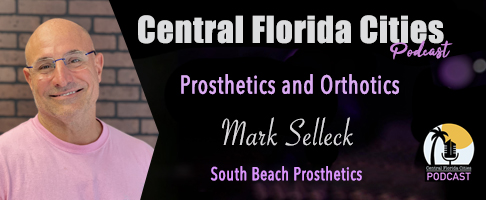
Central Florida Cities Podcast — Prosthetics and Orthotics with Mark Selleck

Prosthetics and orthotics are not typical topics of conversation in our everyday lives. The subject rarely comes up unless we know of someone who uses them or a life event occurs that causes us to need a device ourselves. For 17 years, Mark Selleck of South Beach Prosthetics has been giving people back their mobility by providing them with subject matter expertise, state-of-the-art devices, and ongoing support.

Mark Selleck finds immense satisfaction in helping people, working with his hands, and seeing the results of his efforts in patients who can function again by regaining their independence, confidence, and a sense of normalcy. He has put this passion into providing the best care, products, and services through South Beach Prosthetics. This insightful, inspiring, and eye-opening podcast sheds light on the multi-faceted, often complex world that is orthotics and, primarily, prosthetics.


More nuances, challenges, and steps are involved with getting proper, painless prostheses than we would think, and Mark Selleck has addressed them all with South Beach Prosthetics. From Care Teams, in-home care, transportation, and the latest technology, South Beach Prosthetics offers comprehensive care throughout every patient’s journey to independence.

If you are suffering or struggling with your current prosthetic device or need support getting a new prosthesis, the caring professionals at South Beach Prosthetics are here to help you — in every way. Contact us today at (888) 819-4721 to schedule a consultation with our experienced team, or follow us on Instagram @SouthBeachOP for more resources and inspiration from our community of amputees.

The Inspiring Journey of Amputee Pilots

For nearly two decades, Able Flight, a remarkable nonprofit organization, has been on a mission that defies convention and breaks down barriers. With unwavering dedication, they have been empowering people with disabilities to take to the air, transforming their aspirations into soaring realities. Join us in this reading as we take flight alongside these extraordinary individuals, soaring through the skies of determination, courage, and boundless potential.

Nationwide, only 25 to 30 percent of student pilots successfully complete their training and earn a license. At Able Flight, a nonprofit that’s been training pilots with disabilities for nearly 20 years, the success rate is above 95 percent.

“And we train to a really high level,” says Charles Stites, the organization’s founder and executive director. “We don’t train to the FAA minimum for that certificate. We actually double the required number of hours.”

Able Flight students succeed for a lot of reasons, Stites explains. For one thing, it doesn’t cost anything—everyone who’s accepted into the program gets a full scholarship. Then there’s the sky-high caliber of instruction, which includes eight weeks of onsite flight training at the nationally renowned Purdue University School of Aviation. “But the main thing is that people come in highly motivated,” says Stites. “They get really good instruction, and we pair people up with mentor pilots who share their disability.”

Those who earn their wings through Able Flight acquire far more than a new hobby. They come away with an altered self-perception, full of confidence and a newfound sense of freedom. Dozens of amputees have completed the program, including one (Jessica Cox) who made headlines as the first pilot to become licensed as a bilateral upper-limb amputee. Alumni have come from all over the country and included wounded veterans, college students, congenital amputees, and people who held a pilot’s license before becoming disabled and wish to return to the air.

“By the time someone finishes Able Flight, they don’t see themselves as a a pilot with a disability,” says Stites. “They just see themselves as a pilot.” Earlier this month we spoke with Stites about the program, which recently opened its application cycle for the class of 2024. If you’re interested in applying, you can get more info (including photos and videos) at Able Flight’s website. You have until December 31 to submit an application. Our conversation is lightly edited for clarity and length.

Tell me about the origins of Able Flight.

I’ve been a pilot for over 40 years, and I was an aviation writer and photographer for US and European magazines. Back around 2005, the FAA changed the rules for medical qualification and created a new category that increased opportunities for people who previously would have found it difficult, if not impossible, to qualify for a pilot’s license.

At around the same time, the US distributor for an Italian-made airplane came up to me at a big aviation event, and said, “You need to look at these new adaptive controls for flying. Can you get an article into your magazine?” I said, “It won’t be an article until you get them in an airplane and somebody’s using them.” He said they would be in airplanes in the fall, and we’ll see if we can do something then.

About a week later, it hit me that we have this incredible opportunity. We have this new FAA regulation that’s creating a new category of pilots, and we have an adaptive airplane that can be flown by those pilots that’s due to arrive in a few months. I decided it was time to change everything I’m doing. And so I incorporated Able Flight as a nonprofit in 2006.

What was the FAA rule that changed?

Prior to the advent of the sport pilot rule, people would go to an FAA medical examiner for a physical exam before they went for their pilot’s license. If they had what the FAA considered a disability, they would have to get further testing. Well, that could sometimes take six months to a year, depending on the nature of the disability. It might require a whole series of tests. A lot of people just gave up at that point, because you’re going to spend a couple thousand dollars or more, and you’re discouraged by the fact that you just keep constantly having to prove yourself fit to fly.

The sport pilot rule was based on the success of people who were trained to become glider pilots. They did studies and found that people were not crashing gliders because of a medical disability. And all you need for that is a valid driver’s license. So now you no longer have to prove yourself to a medical examiner. You just have to prove yourself to your flight instructor.

Like any nondisabled flight student. 

And on the personal side, I’m married to someone that has multiple sclerosis. Most people wouldn’t know that she does, but she definitely feels the effects. And the idea just grew on me that, you know, we have this wonderful thing we can all do. We can fly. So why not expand that opportunity to people who would never have thought of themselves as candidates to do that.

Elaborate on that phrase for me, “this wonderful thing we can do.” What is the allure of taking to the skies? What impact has it made on your life, and what’s the impact for people who go through your program?

Well, for me personally, it sounds like a cliche, but it really is true that when you leave the earth, your ordinary cares don’t get to intrude much. It’s like you’re in your own little bubble, your own place. And anything that seems petty or harsh or rough to deal with, it tends to go away.

I came from limited circumstances and I never thought I’d get to fly. I thought that opportunity was beyond me. But when I got old enough and took my first lesson, I was hooked. I became a private pilot in about 1980, added an instrument rating some years later, and started doing aviation writing and photography. In aviation journalism, there are people who do really well writing about technology and advancements, but my heart was never really in that. I loved writing about people, and how flying changed their lives.

We set up Able Flight as a 501(c)3 in 2006. I started raising funds using connections I had in the industry, and by 2007 we were training people. And then in 2010, I proposed to Purdue University, which is one of the premier flight-training universities in the United States, that they become our training partner. I honestly had no idea that they were gonna say yes, and they said yes immediately. So we’ve been with them ever since. We’ve been able to grow it to the point where we now have 89 people who are licensed, some with more than one license or certificate.

How do you think Able Flight changes the lives of amputees who go through the program?

When we first started out, I would talk about the challenge and freedom of flight. But as we started getting more people through the program, and I would talk to them about their experience, they almost never said challenge. They said freedom. Becoming a pilot freed them from the restrictions and boundaries of their day-to-day lives. We all have them in some way or another, and for some people the restrictions are more impactful. But that’s what I would hear: Freedom, freedom, freedom.

The other thing I’ve found is that people would start to see themselves as just a pilot. And that’s something I’ve always strongly encouraged: You’re not a pilot with a disability; you’re a pilot. You’re an aviator. You’re flying the airplane according to the same rules and the same responsibilities as everyone else. You’ve learned the same skills, met the same requirements, passed the same tests, and you’re held to the same standards. The only difference is that you might be using some different controls based on the nature of a disability. But that doesn’t make any difference. To any person that hears you on the radio, you’re just a pilot. So it’s really a leveling kind of thing. It’s an equality thing.

If you’re good enough to do it, you’re good enough to do it.

Absolutely. You’re flying the plane exactly the same as any pilot, regardless of physical capabilities or body shape. People have designed adaptive controls—we’re in the middle of one of those projects right now, in fact, and it’s pretty exciting. We’re trying to get another airplane adapted, and this particular plane is made here in the United States. But ultimately, the person adapts themselves to the airplane. People who have less range of motion, for example, they’ll figure out another way to get the leverage they need to work all the controls. And they’ll do it on their own.

We have all these wonderful instructors who volunteer to teach Able Flight pilots, and at first some of them worry about whether or not a person is going to be able to pull something off. I’ve seen that happen so many times now. This year, specifically, I remember having that conversation over a gentleman named Bobby Dove. Bobby’s a wounded veteran, and he’s missing both limbs on the right side of his body. And so Bobby and I and his instructor, Cameron, were at one of the airplanes on the very first day of orientation, before they started flying. Cameron and I exchanged a glance and went, “Oh boy, how’s this gonna work?” Does he maybe come up with a strap on the rudder pedals, so by pulling and pushing, it would make the other pedal move and you could get them in motion? It turns out that airplane doesn’t work that way. It didn’t have that kind of range of motion. So that didn’t work.

I just told Cameron: Let Bobby figure it out. He’s an expert in his own life; he knows how to get things done. So just let him see if he can come up with a solution, because we’ve seen that happen a number of times. Sure enough, three or four days later, Bobby’s doing his first few flights, and he’s doing great. He was ready for his solo flight earlier than all but one of the other students this year.

That’s why I just tell the instructors not to worry. People always find a way. They come up with these clever adaptations and creative solutions. And that’s one of the wonderfully rewarding things about this program.

Let’s focus on a few nuts and bolts of the program. What’s the duration, how many of those hours are in the air versus in the classroom or simulator, what type of airplanes you’re flying, that sort of thing.

We’ll start with the certificate that everyone trains for. It’s called a sport pilot certificate, which is basically one level below private pilot. But don’t let that fool you. These are very sophisticated airplanes, and the way we do the training is really right up to private-pilot levels. Matter of fact, we’ve had a number of people that have gone on to get the private pilot certification.

We use light sport aircraft, which are very sophisticated airplanes now. They typically cost $120,000 to $175,000, and they can be flown coast to coast, they can be flown in controlled airspace around big cities and so on. They’re not limited.

The students start by doing about three months of online study to prepare them for the FAA written exam, which is technically called the “Knowledge Test.” And that’s a good word for it, because there’s a huge amount of knowledge you have to absorb. That’s one of the things a lot of people don’t understand about learning to fly. You probably spend two or three hours on the ground, studying, for every hour you spend in the airplane. So they do months of preparation in advance before they depart for training. We give them tutoring during that time, and even some live online sessions with an instructor. They take the Knowledge Test at a local testing center near where they live.

Around the third week of May they arrive at Purdue. They get their own room in a dorm on campus, and obviously it’s an accessible room. They start flying about the second day, and they fly every day, seven days a week, for six to seven weeks, weather permitting. Often twice a day. The only time they don’t fly is when weather doesn’t allow it. It’s very intensive, very demanding. It’s really more of a bootcamp thing for aviation. And people love it. They go through the experience and say it’s the best thing they’ve ever done. But they also know they earned that license, because they work really, really hard. They’ll uniformly say, no matter how many times you tell them in advance, “I didn’t realize it was gonna be this hard.” It’s mentally and physically demanding. But there’s an amazing amount of satisfaction that comes with it.

The two biggest milestones are the first day they fly solo, which typically happens between a third and halfway through, and then there’s the check ride, when you go out with an FAA examiner—basically the same as when you go out for your driver’s license. First you have to pass an oral exam, and then you go up in the airplane and demonstrate a set of maneuvers. Everybody in our program does really well, because they’ve gotten really good instruction. The instructors don’t send them off for the check ride until they’re ready. Everybody we’ve ever sent for a check ride has passed. And that’s another remarkable statistic.

One of the things I always stress for anybody who wants to take part in this is that because you earn it, you’re welcomed into the world of aviation as an equal with everyone else. It’s a very welcoming environment, and they’re always looking at new things and new technologies. It’s a great community to be in.

Ready to take the next step towards a more mobile and fulfilling life? Discover the possibilities with our state-of-the-art prosthetic solutions. Together, we can explore the world of enhanced mobility and independence that awaits you. Contact us today at (888) 819-4721. Follow us on Instagram @SouthBeachOP for more tips on prosthetic care.


Reference: [https://livingwithamplitude.com/amputee-airplane-pilot-able-flight/]